PageContent
Body Piercing Information
When getting a new piercing...
At FreshTrends, we believe that getting a new piercing should be a safe, exciting, and beautiful experience. Whether it’s your first piercing or your fifth, proper care and hygiene are essential for smooth healing and long-term comfort.
Below, you’ll find everything you need to know about choosing a reputable piercer, caring for your new piercing, and understanding the healing process.
Choose the Right Body Piercer
A good piercing professional will not only perform the procedure properly and hygienically but will also ensure you are well informed of the proper care techniques for your particular piercing.
Find a piercer who is properly trained, experienced, and professional. Ask how long they have been in business, approximately how many clients they have, how often they perform your piercing type, etc.
Be sure the shop is clean and that the piercer uses sterile instruments, clean jewelry, and disposable needles each time. Ask about the safety measures and how they avoid cross contamination, and be sure they comply with OSHA (U.S. Department of Labor, Occupational Health and Safety Administration) Blood Borne Pathogens standards. Check that they have all necessary licenses and permits and that they are in compliance with local and/or state health regulations.
Your piercer should take the time to explain the procedure and aftercare to you and should also provide written instructions that you can take home with you. Make sure they'll be available for follow up after the piercing in the event that you have questions, concerns, or are having issues with your piercing. In this way, potential risks can be easily spotted and avoided.
Make Sure the Piercing Shop Is Safe and Sanitary
Body piercing is regulated in some states but not others. Although most piercing shops try to provide a clean and healthy environment, some shops might not take proper precautions against infections or other health hazards.
Before you get a piercing, make sure you know if you're allergic to certain metals or not. It's a good idea to ask about the types of jewelry the shop offers because some people have allergic reactions to some types of metals. Do a little investigative work about a shop's procedures and find out whether they provide a clean and safe environment for their customers.
Things to look out for:
- It should be impeccably clean.
- Every shop should have an autoclave (a sterilizing machine) and should keep instruments in sealed packets. If you’re not sure if they do, ask them.
- The person doing the piercing washes his or her hands with a germicidal soap and wears fresh, disposable gloves (like those worn at a doctor's office).
- The person doing the piercing uses disposable or sterilized instruments.
- The person doing the piercing does not use a piercing gun (they're not sterile).
- The needle being used is new and is being used for the first time.
- The needle is disposed of in a special sealed container after the piercing.
- There are procedures for the proper handling and disposal of waste (like needles or gauze with blood on it).
If you think the shop isn't clean enough, if all your questions aren't answered, or if you feel in any way uncomfortable, go somewhere else to get your piercing.
Some more helpful articles
- The Wrong Reasons to Get a Piercing
- Communicating with Your Piercer
- What to Look for in a Professional Piercer
- Choosing a Piercer
- What You Should Know When Getting a New Piercing
- How to Calm Down Before Getting a Piercing or Tattoo
- So You Want To Be a Professional Piercer
Disclaimer
These body piercing tips are meant as guidelines and are not to be taken as a substitute for professional medical advice. If, at any time, you think you may have an infection, seek medical attention.

Piercing Advisor™ — Complimentary Concierge Service
Add Piercing Advisor™ at checkout for a personalized consultation — free with your order. Our jewelry specialists will help you choose the perfect size, style, and backing for your anatomy, ensuring a flawless fit from the start.
Best Selling Jewelry
Piercing Jewelry Resources
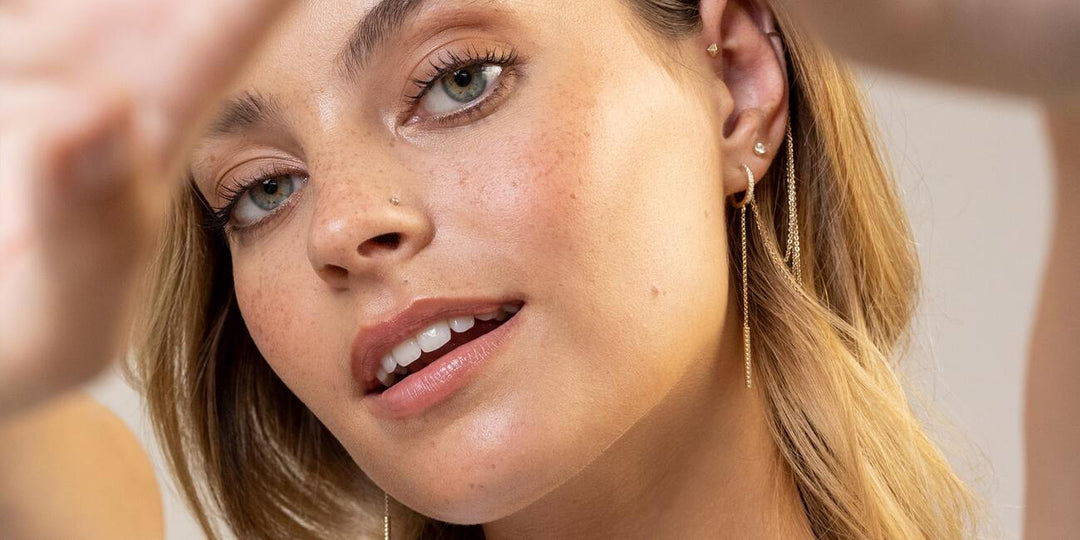
Body Jewelry Materials
Learn about the precious metals and gemstones that make every Fresh Trends piece exceptional. Discover why we use only implant-grade materials designed for long-lasting quality, comfort, and beauty.

Behind the Scenes
Take a look inside our studio to see how each piece of jewelry is brought to life. Experience the artistry, craftsmanship, and attention to detail that make every design uniquely Fresh Trends.

The Perfect Fit
Fresh Trends jewelry is handmade to order, giving you the perfect size and fit for your unique anatomy. Explore detailed size measurements and customization options in our Size Help Chart.


